
THE SUCCORA FIELD NOTES / GROWING GUIDE
A beginner’s roadmap to succulent care.
Use this roadmap to connect its identity, growing space, roots and recent changes. Follow the checkpoint that answers your current question; you do not need to change everything at once.
IN BRIEF
Good succulent care starts with the plant in front of you.
1 · Know your starting point
Keep the botanical name or catalog code with the pot. Record whether the plant arrived rooted, bare-root, as a cutting or already potted. Save a daylight photo of the whole plant and its base. Those details determine which instructions are relevant.
If you have not bought a plant yet, use the first-succulent selection guide. If it has just arrived, use arrival care before following a routine intended for an established plant.
A FIELD RECORD / START WITH ONE PLANT
Keep the plant and its history together.
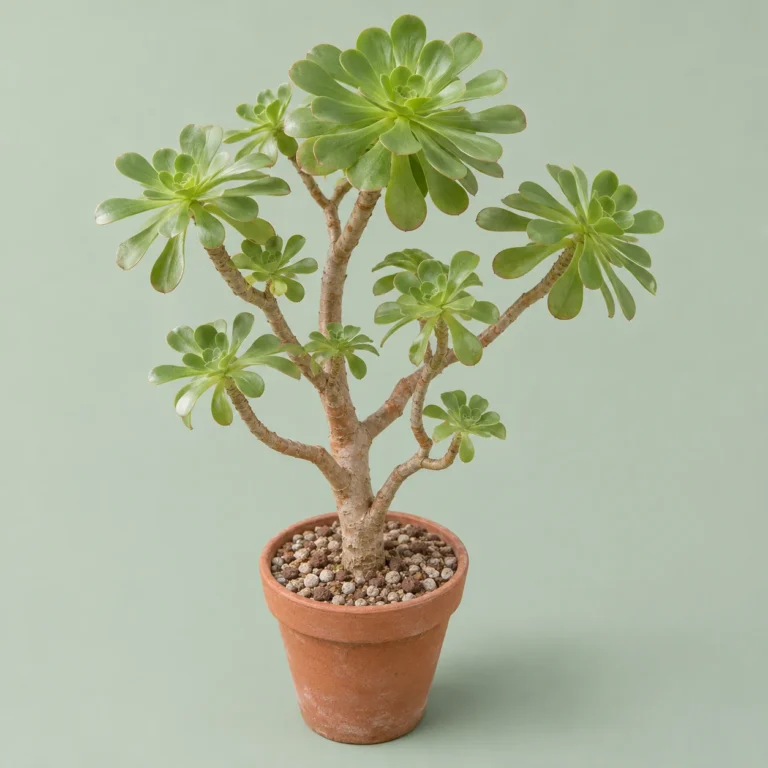
- IDENTITY
- Plant name or catalog code
- STARTING CONDITION
- Rooted, bare-root, cutting or potted
- GROWING SPACE
- Light reaching the leaves and rain exposure
- OBSERVATIONS
- Date, photos, changes and action taken
2 · Describe the light reaching the leaves
Watch the actual growing spot rather than judging brightness from the middle of a room. Note when direct sun reaches it and what roofs, curtains, trees or nearby buildings block. A comfortable reading light level is not a reliable test of what a particular succulent needs.
Avoid universal window-direction rules or one number of sunlight hours for the whole catalog. Read the exact plant’s notes, and make a gradual transition when changing exposure. Use the sunlight guide if the space or terminology is unclear.
3 · Check the pot and root zone
Find the drainage hole and check where runoff goes. Iowa State explains that gravel at the bottom cannot replace a drainage opening. A decorative outer container can hold a separate draining pot, provided water is not left trapped inside.
Then ask whether the mix and container suit the plant and conditions. Do not adopt a single recipe just because an attractive diagram gives it precise percentages. Send the ingredient list, pot details and drying observations when asking about a mix.
4 · Let a check lead to the watering decision
For many established, rooted succulents, thorough watering followed by drainage and a suitable drying period is a useful principle. University of Minnesota Extension emphasizes watering thoroughly rather than repeatedly sprinkling the surface.
A reminder can prompt inspection; it should not overrule a damp root zone. Check the plant and moisture together. A cutting, damaged roots or a species with different needs requires more specific guidance. Read the watering guide for that decision sequence.
5 · Read changes in context
A wrinkle, pale leaf or slow-growing centre is not a diagnosis. Add the recent history: transport, repotting, rain, stronger exposure and watering. Comparable photographs help you describe what changed without relying on memory.
If soft tissue spreads, the base deteriorates or the plant declines rapidly, use the troubleshooting guide. Do not explain every change as thirst or normal dormancy. A photo-based reply cannot guarantee recovery.
6 · Build a record you can reuse
- Plant identity and starting condition.
- The growing location, useful light and rain exposure.
- What the mix and plant showed at each check.
- Any action, date and reason.
- A follow-up photograph and the next question.
Keep the roadmap local
Philippine rainfall varies by region, and elevation changes temperature, as PAGASA’s climate overview describes. Adapt your observations to your own setup rather than importing another climate’s seasonal timetable.
When you need help, send the record and the plant code. A precise question lets the conversation begin with evidence instead of a guess.
Sources & further reading
General growing guidance, adapted to your own light, roots, pot and weather. Source material does not represent an assessment of your individual plant.
