Skip to content

THE CARE LIBRARY

The care field notes.

Practical, source-led guidance for observing your plants, choosing a growing spot and responding to changes. Begin with a question, then follow the details.

NOTE 03

Succulent care in the rainy season

A useful rainy-weather setup lets you control water reaching the pot without turning the growing area into a dark cupboard. Start with shelter, drainage and room to inspect each plant. Then adjust care to what is actually happening.

Read field note
NOTE 05

Why succulent leaves change colour

A change in succulent colour is a reason to observe, not a diagnosis on its own. Compare the plant’s growth, leaf texture, roots, light and recent care before deciding what to change. Matching a catalog photograph is not a care goal.

Read field note
NOTE 07

Succulents, pets and careful handling

Do not assume a succulent is safe to chew because it is small, popular or described as easy to grow. Confirm its botanical identity and check an authoritative species-specific source before deciding where it belongs around pets or children.

Read field note
NOTE 08

Your first weeks of succulent care

Once you have chosen a succulent, the next job is to understand one plant in one growing space. Start with its name, root condition, light and drainage. A small repeatable observation habit is more useful than a shelf full of products.

Read field note
NOTE 10

How to choose your first succulent

The best first succulent is a plant whose needs you can meet consistently. Begin with your available light and a practical draining container, then choose a form you enjoy. Start with a manageable choice rather than buying every attractive reference image.

Read field note
NOTE 11

Growing succulents in the Philippines

In the Philippines, a useful succulent setup starts with the conditions around the pot: light, rain exposure, shelter and how the growing mix behaves. A calendar from another climate cannot make those observations for you.

Read field note
NOTE 12

Succulent propagation: leaves, stems and offsets

Identify the plant before choosing a propagation method. Leaves, stems and offsets are different starting materials, and not every succulent grows a new plant from a detached leaf. Begin with healthy material and keep the parent plant’s care in view.

Read field note
NOTE 13

Understanding succulent growth and rest

Slow growth does not, by itself, prove that a succulent is dormant. Begin with the exact plant, its current growing conditions and recent changes. In a diverse collection, a single “summer grower” or “winter grower” calendar can hide useful differences.

Read field note
NOTE 14

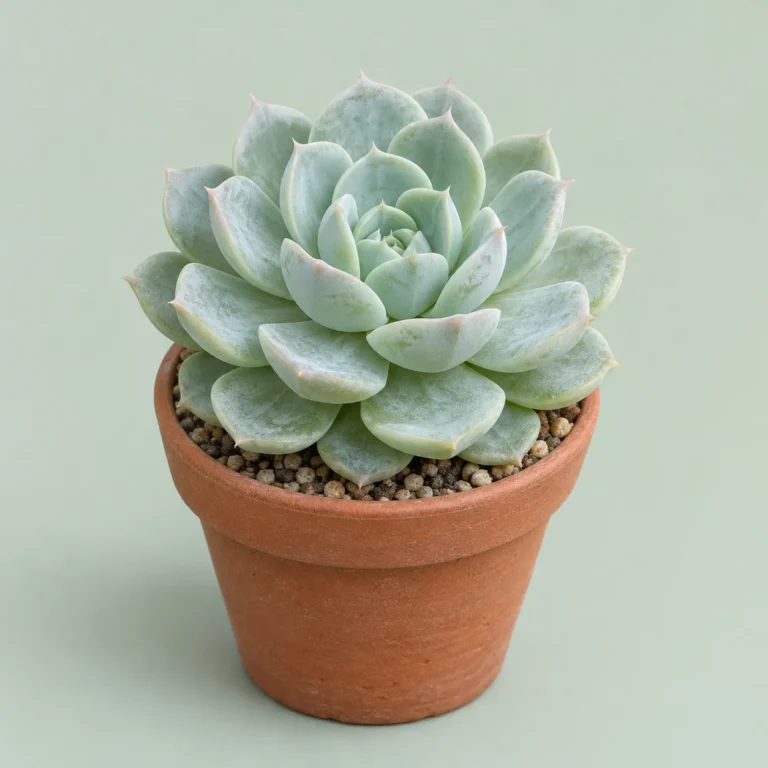
How to use succulent reference photos

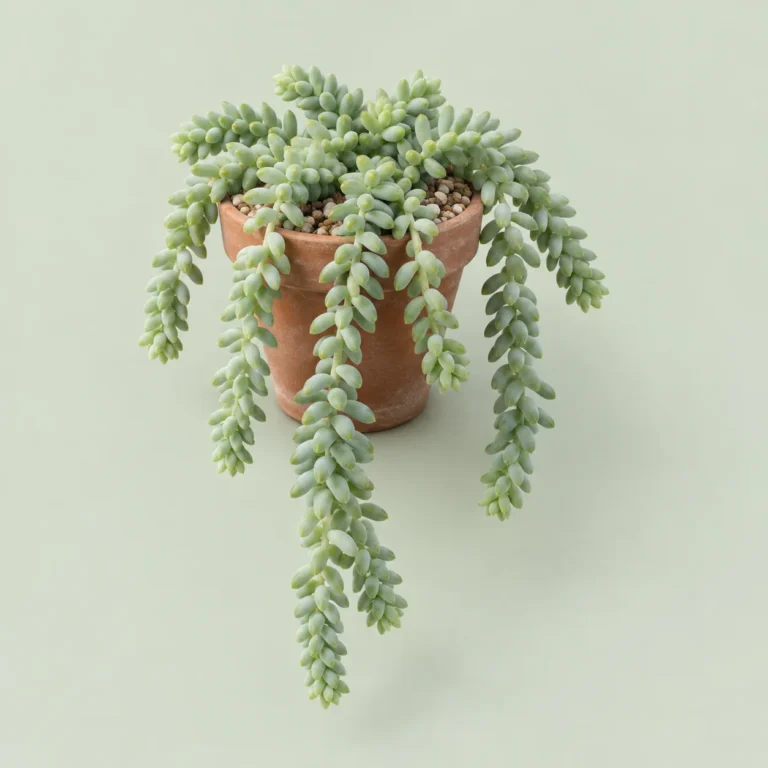
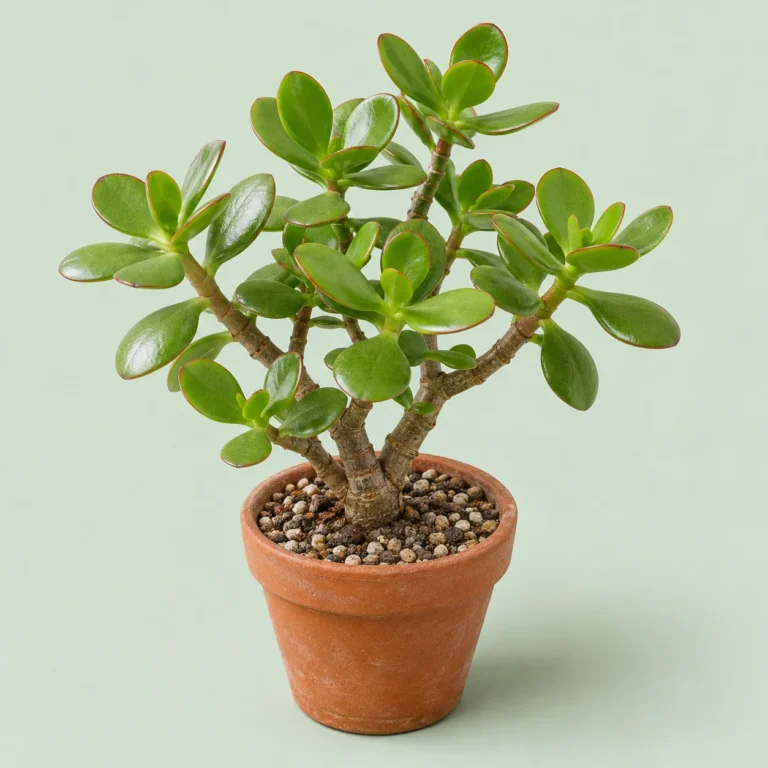
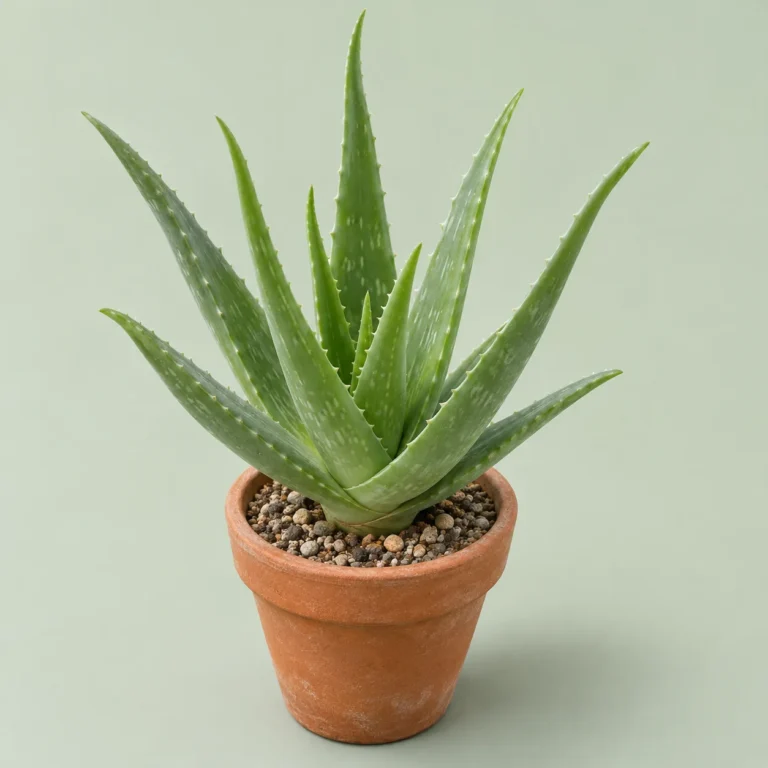
Succora uses catalog photographs and labelled AI botanical reference images to help you explore plant forms. Neither proves current stock or shows a guaranteed specimen. Request current actual-plant photos in the official Facebook conversation before confirming an order.

Read field note
NOTE 15

Choosing succulents for gifts and events

Choose a succulent gift with the recipient’s growing space in mind. For events, start with the quantity, date and delivery needs before discussing presentation. A saved catalog list is an inquiry, not a confirmed reservation or a bulk-price quotation.

Read field note
NOTE 16

A beginner’s roadmap to succulent care.

Good succulent care starts with the plant in front of you. Use this roadmap to connect its identity, growing space, roots and recent changes. Follow the checkpoint that answers your current question; you do not need to change everything at once.

Read field note

Follow your plant’s growing needs.

Use a group guide for context, then read the notes on the individual variety. Plants sold under the same trade name can still differ.

GROUP 05

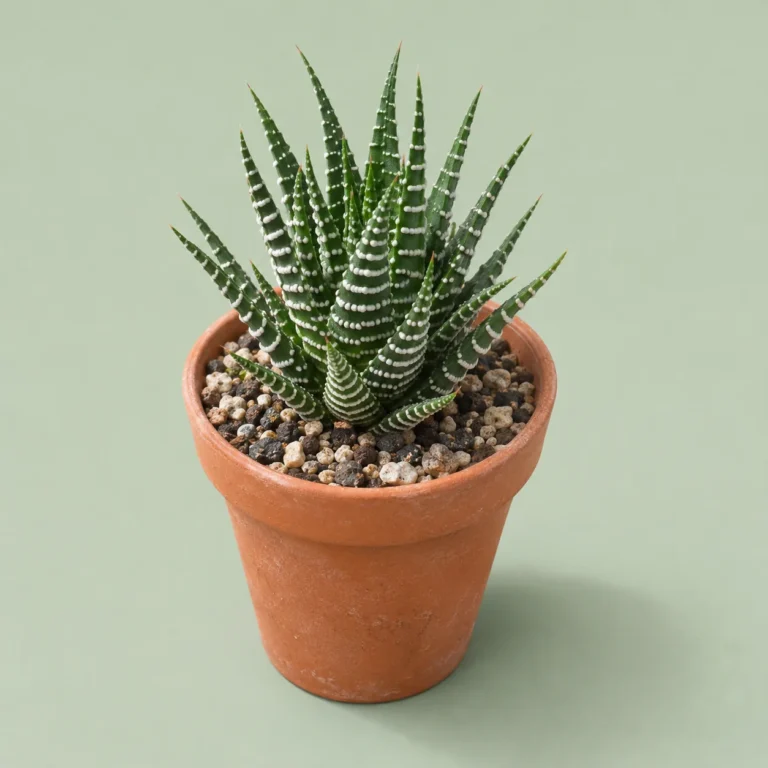
Haworthia & Haworthiopsis

Compact succulents with striped, textured or translucent leaves.

AI botanical reference

Read care & browse plants

GROUP 07

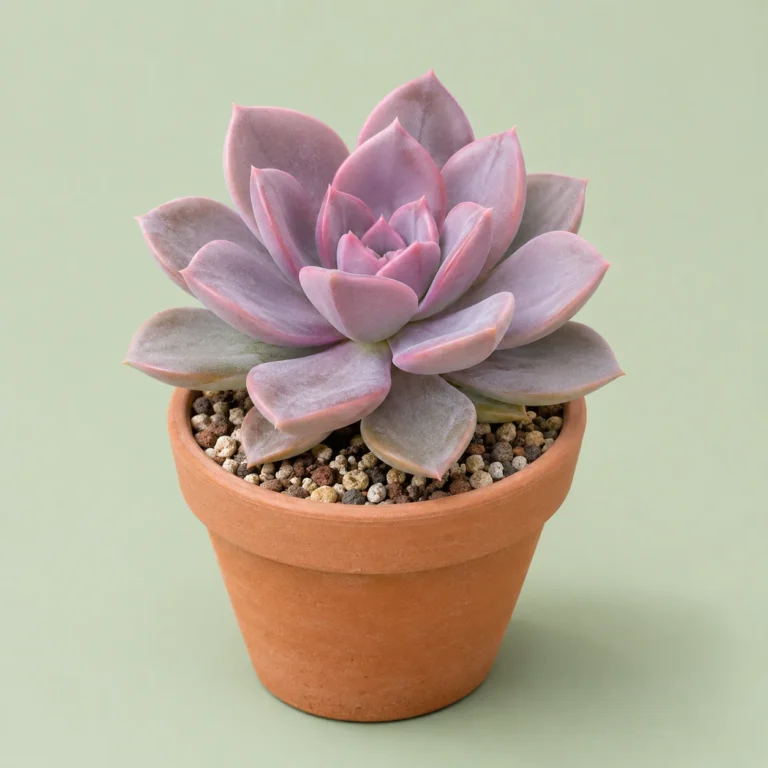
Graptopetalum & Pachyphytum

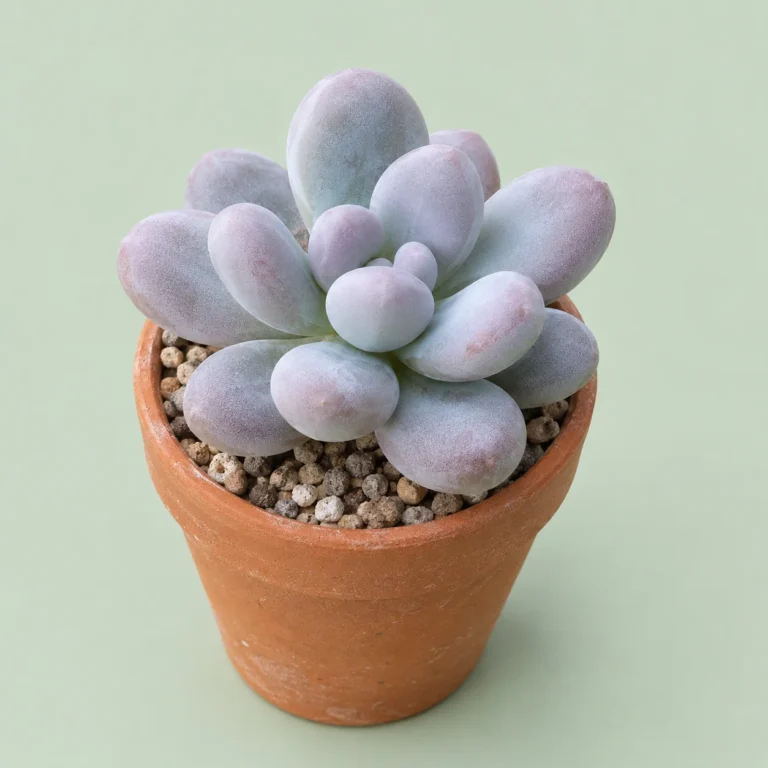
Plants often recognized for rosettes, plump leaves and powdery surfaces.

AI botanical reference

Read care & browse plants

GROUP 08

Kalanchoe & Cotyledon

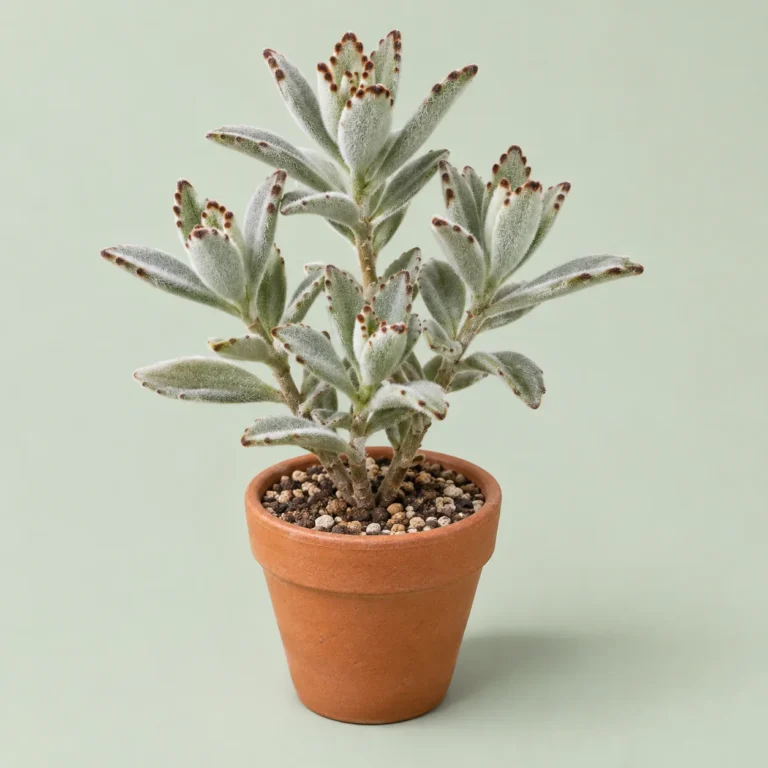
A broad selection of paddles, fuzzy leaves and upright forms.

AI botanical reference

Read care & browse plants

GROUP 11

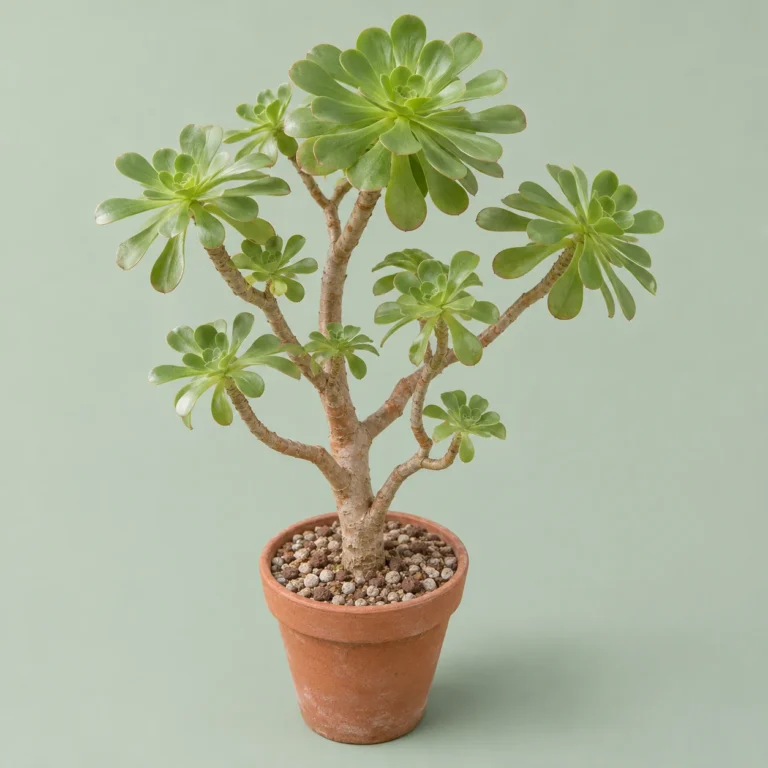
Aeonium & Sempervivum

Rosette-forming groups with different growth and climate needs.

AI botanical reference

Read care & browse plants

GROUP 12

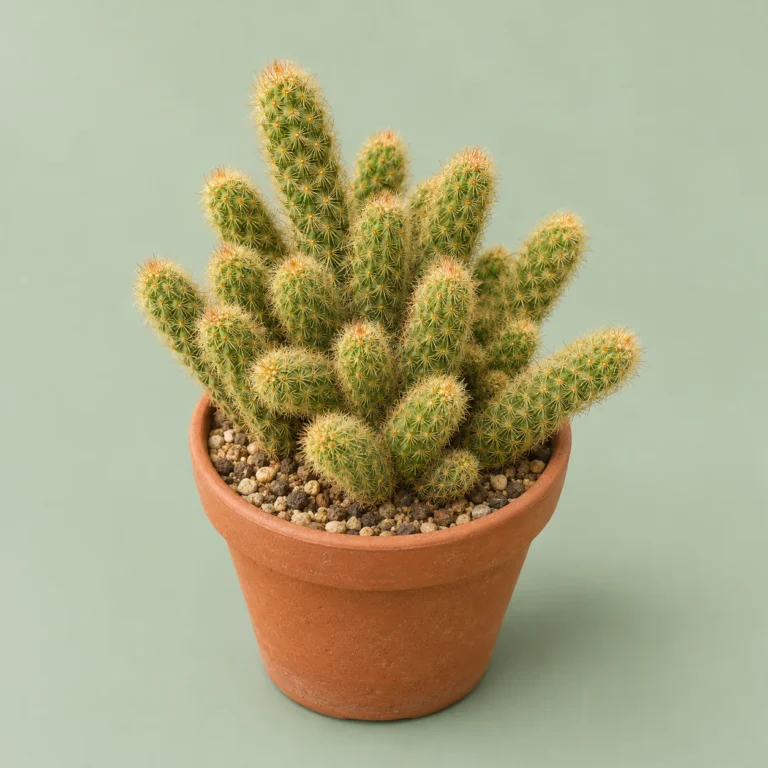
Cacti & specialist succulents

Explore a wider world of shapes, stems and adaptations.

AI botanical reference

Read care & browse plants
Succora | Where Beginners Become Confident Plant Parents
Logo
Compare items
  • Total (0)
Compare
0